Relationship guide
Great aunt or great uncle: one generation above your aunt or uncle
How great aunts and uncles fit in a family tree, what DNA sharing to expect, and why they can be confused with first cousins.
Updated 2026-09-13 · 6 min read · Genealogy & education only
The name describes a grandparent’s sibling
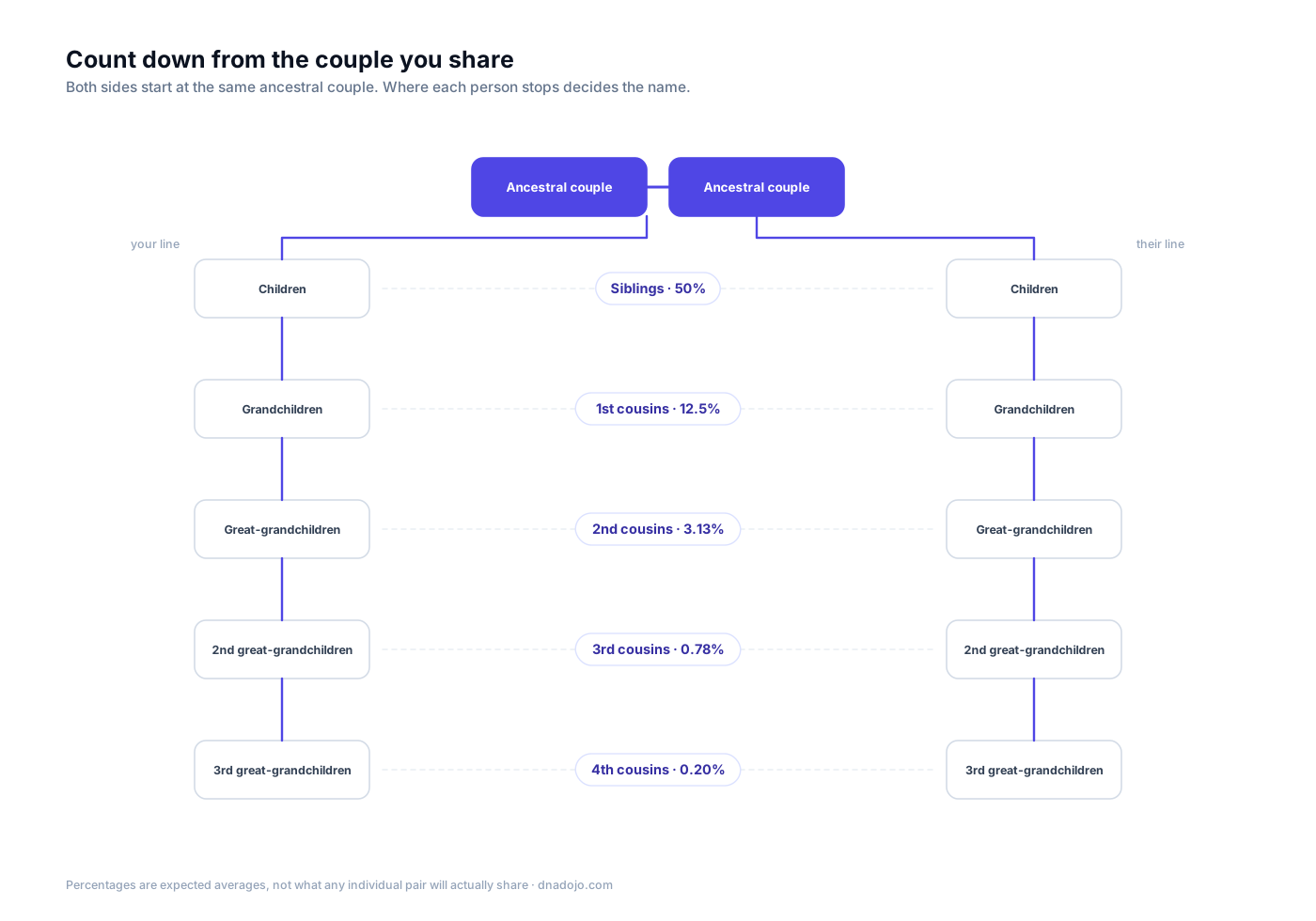
A great aunt or uncle sits beside your grandparent in the tree. Their children are your parent’s first cousins, and their grandchildren are often in your generation as second cousins.
The name can feel old-fashioned, but the geometry is simple. Start with your grandparent, then move sideways to their sibling.
Why the cM total can mislead
A great aunt or uncle can share a total that resembles a first cousin. The difference is not hidden in the total; it is visible in the generation and in who else they match.
A tested parent makes this especially clear. What is a great aunt or uncle to you is an aunt or uncle to that parent.
What else could fit?
| Possibility | Why it can look similar | What to check |
|---|---|---|
| First cousin | Shared totals can overlap. | First cousins are usually in your generation. |
| Half aunt or uncle | A half path can be similar. | Look for one versus two shared grandparents. |
| First cousin once removed | A removed cousin can overlap at the range edges. | Count generations to the shared ancestors. |
What to do next
- Place the match beside a grandparent rather than beside a parent.
- Check whether they match your parent in an aunt/uncle pattern.
- Use age only as a clue, then verify with shared matches and records.
Questions people ask
What is a great aunt?
A sibling of your grandparent.
Can a great aunt share as much DNA as a first cousin?
Their ranges can overlap, so total cM alone cannot separate them.
Is a great aunt the same as a grand aunt?
Both terms are used; great aunt is more common in everyday English.
Published September 14, 2026 · Reviewed against DNADojo dataset v1.0.0-simulated · Sources and limitations